UK Cyber Alert: The Weaponisation of Deepfake Technology
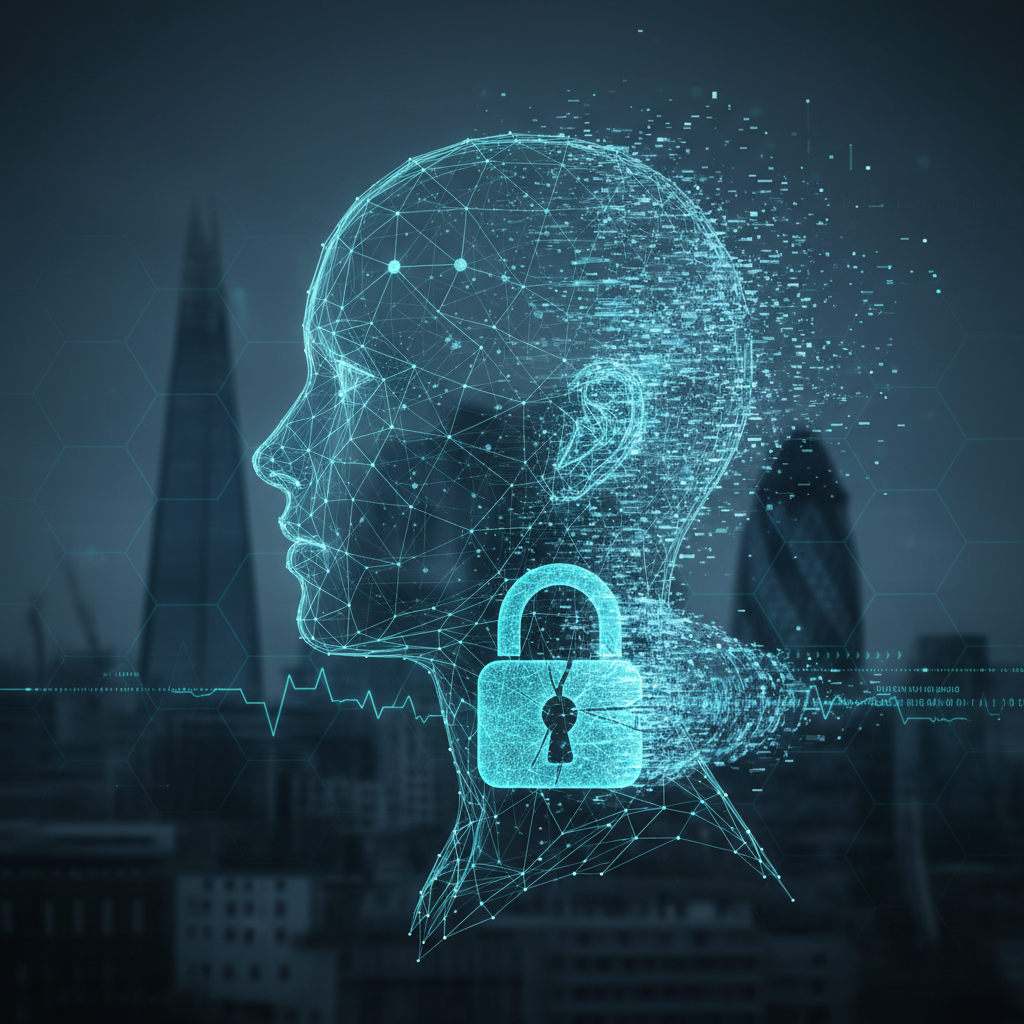
In recent months, we have observed a chilling shift in the UK's cyber threat landscape. While phishing emails and ransomware remain persistent challenges, a new, more sophisticated adversary has entered the boardroom: the deepfake. No longer the stuff of science fiction or high-budget cinema, deepfake technology is being actively weaponised by cybercriminals to bypass traditional security protocols and deceive even the most diligent employees. For business owners in South Yorkshire and across the UK, understanding this evolution is no longer optional—it is a fundamental requirement for survival.
The Rise of Synthetic Identity Fraud
Deepfakes use Artificial Intelligence (AI) to create hyper-realistic video, audio, or image clones of real people. In a professional context, this often manifests as an urgent video call from a CEO or a voice note from a Financial Director requesting an immediate bank transfer. The sophistication is startling; current tools can mimic British regional accents and specific speech patterns with enough accuracy to bypass voice biometric security systems frequently used by UK banks.
According to recent data from the UK's National Cyber Security Centre (NCSC), the accessibility of these AI tools has lowered the barrier to entry for criminals. What used to require a degree in data science can now be achieved with a monthly subscription to an 'AI-as-a-service' platform. This democratisation of cybercrime means that small-to-medium enterprises (SMEs) are just as much at risk as multinational corporations.
Recent Trends and UK Statistics
The impact of these attacks is becoming tangible. Recent industry reports suggest that 1 in 3 UK businesses have encountered some form of AI-driven fraud attempt in the last year. While the high-profile cases make the headlines—such as the multinational firm in Hong Kong that lost £20 million after an employee attended a video call with deepfaked colleagues—smaller UK firms are being targeted for more modest, yet devastating, sums.
We are seeing a trend where attackers use LinkedIn and company 'About Us' pages to gather high-quality video and audio of directors. This material is then fed into AI models to create convincing clones. These clones are used to facilitate 'Authorised Push Payment' (APP) fraud, where staff are manipulated into sending money to wrong accounts under the guise of an 'urgent' or 'secret' acquisition.
Practical Security Advice for Business Owners
While the technology is advanced, the defence often comes down to robust processes and a healthy dose of scepticism. Here is how you can protect your organisation today:
- Implement 'Challenge' Protocols: Establish a non-digital verification process for high-value transactions. If a director makes an urgent request via video or audio, the employee should be required to call them back on a pre-saved, known number or use a pre-agreed 'safe word' that is never documented digitally.
- Audit Your Digital Footprint: Be mindful of how much high-definition video of your leadership team is publicly available. While marketing is essential, consider the security implications of long-form interviews that provide perfect training data for AI.
- Update Your Incident Response Plan: Does your current plan cover what to do if a director's identity is stolen? Knowing who to contact at your bank and how to freeze accounts in seconds can save thousands of pounds.
- Invest in Modern MFA: Move away from SMS-based Multi-Factor Authentication. Use hardware tokens or app-based authenticators that are harder to spoof via social engineering.
Aligning with Cyber Essentials
At Jibba Jabba, we always advocate for the Cyber Essentials framework. While the current 2024 standards focus heavily on cloud security and device management, the NCSC is increasingly highlighting the need for 'User Awareness' as a core pillar. Undergoing a Cyber Essentials assessment forces your business to look at its access control and administrative privilege policies—the very areas that deepfake attackers look to exploit.
"The threat from AI is evolving, but the fundamentals of good cyber hygiene remain our best defence. If a request feels unusual, it usually is—even if it looks and sounds like your boss."
How Jibba Jabba Can Help
Navigating the intersection of AI and security can feel overwhelming. We work with businesses across Doncaster and the wider UK to turn this anxiety into a strategic advantage. Our approach isn't just about installing antivirus; it's about building a culture of security. From implementing advanced email filtering that detects 'spoofed' identities to conducting realistic phishing simulations that include AI threats, we ensure your team knows what to look for.
As your IT partner, we provide the technical guardrails required to mitigate these risks, allowing you to focus on growth without the constant fear of a catastrophic breach. Whether it's securing your unified communications or achieving your Cyber Essentials certification, we're here to provide straight-talking, authoritative advice.
Frequently Asked Questions
Related Articles

Need Expert IT & Cyber Security Support?
Get in touch and our team will help you find the right solution.
Contact Us