Cyber Essentials certification — what it means and how to get it in South Yorkshire
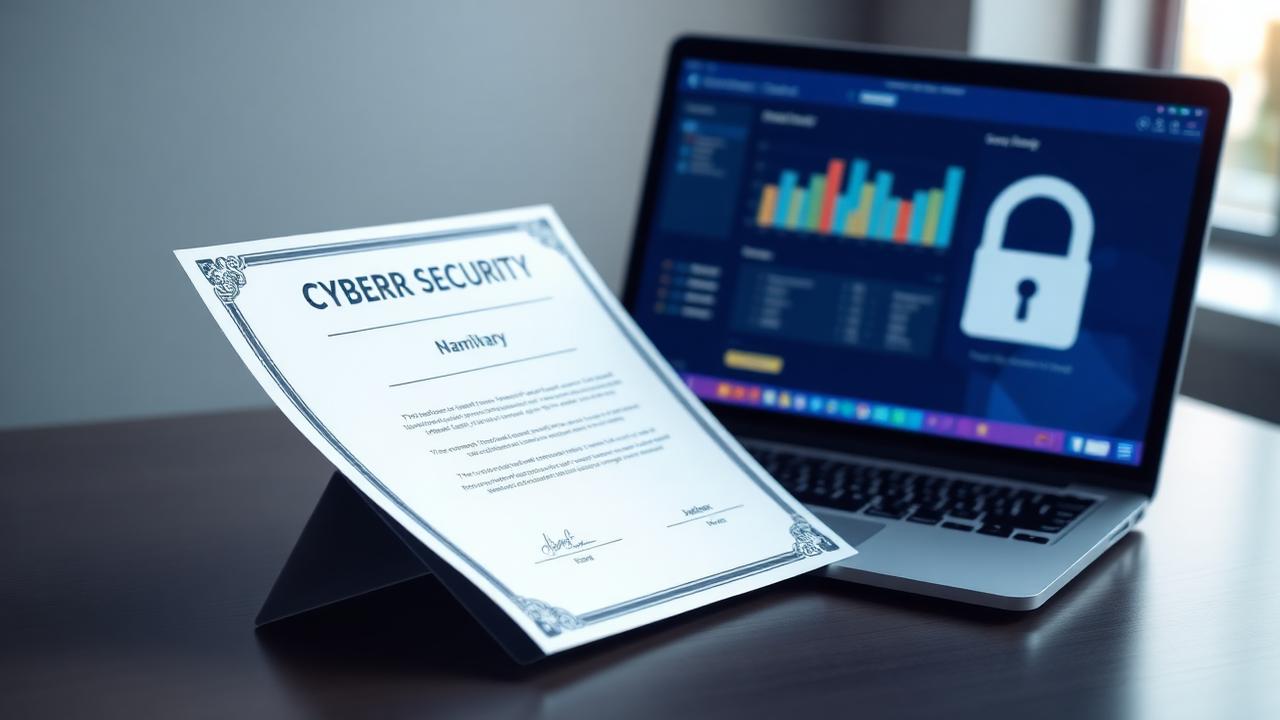
If you've been asked for proof of Cyber Essentials by a customer, an insurer, or a public-sector buyer recently, you're not alone. The certification has quietly become the baseline expectation for doing business in the UK - and South Yorkshire firms are getting hit with the request more often than ever.
The good news? Cyber Essentials is achievable. With the right preparation, most businesses can certify within a few weeks, and the work involved makes them genuinely more secure in the process.
What is Cyber Essentials?
Cyber Essentials is a UK Government-backed cyber security certification scheme overseen by the National Cyber Security Centre (NCSC) and delivered by the IASME Consortium. It's designed to protect organisations against the most common online threats - the kind of attacks that account for the vast majority of breaches faced by SMEs in Sheffield, Doncaster, Rotherham, Barnsley and beyond.
There are two levels:
Cyber Essentials - a self-assessment certification. You answer a structured questionnaire and an external assessor reviews your answers.
Cyber Essentials Plus - the same controls, but independently verified through a hands-on technical audit and external vulnerability scan.
Both certifications are recognised by UK Government, NHS, MoD suppliers, insurers, and a rapidly growing list of private-sector buyers across South Yorkshire.
What does Cyber Essentials actually cover?
Cyber Essentials focuses on five technical control areas. To certify, you need to demonstrate that all of them are properly in place:
1. Firewalls. Every device that connects to the internet - laptops, servers, routers - must be protected by a properly configured firewall. Default passwords on routers must be changed.
2. Secure configuration. Devices and software must be configured to reduce vulnerabilities. That means turning off unnecessary services, removing unused accounts, and locking down default settings.
3. User access control. Only the right people should have access to the right systems, and admin accounts must be tightly controlled. Multi-factor authentication is now mandatory for cloud services.
4. Malware protection. Endpoint protection, application allow-listing, or sandboxing must be in place on every device - including BYOD phones and laptops used for work.
5. Security update management. All software, operating systems and firmware must be patched within 14 days of a high-risk security update being released. This trips up more South Yorkshire businesses than any other control.
Most failed Cyber Essentials assessments come down to one of two things: out-of-date software, or unmanaged user accounts. Both are entirely fixable.
Why South Yorkshire businesses are pursuing certification
Across Doncaster, Sheffield, Rotherham and Barnsley, we're seeing three big drivers pushing organisations towards Cyber Essentials:
Customer requirements. Larger buyers - including many of the manufacturers and public-sector bodies in the region - are now writing Cyber Essentials into their procurement processes. No certificate, no contract.
Cyber insurance. Insurers increasingly require Cyber Essentials as a minimum, and some offer meaningful premium reductions or higher cover limits when it's in place.
Genuine risk reduction. South Yorkshire SMEs are being targeted just as aggressively as London corporates. The five controls genuinely block most opportunistic attacks.
How to get Cyber Essentials certified in South Yorkshire
Here's the process we walk our clients through:
1. Scope the assessment. Decide whether to certify the whole organisation or a defined part of it. Whole-organisation scopes are strongly recommended.
2. Run a gap analysis. Compare your current setup against the Cyber Essentials requirements. This is where most of the real work happens - typically tightening Microsoft 365 settings, enabling MFA everywhere, sorting patch management, and tidying up admin accounts.
3. Remediate the gaps. Fix anything that doesn't meet the standard. For most South Yorkshire SMEs, this takes one to three weeks.
4. Submit the assessment. Complete the IASME questionnaire and submit it for review by a certification body.
5. (Optional) Cyber Essentials Plus audit. If you're going for Plus, an assessor performs a hands-on technical audit and external vulnerability scan.
Get certified with a local partner
Jibba Jabba helps South Yorkshire businesses prepare for and pass Cyber Essentials and Cyber Essentials Plus - without the jargon, the panic, or the surprise costs. Learn more on our Cyber Essentials page, explore our wider Cyber Security services, or see how it fits into a fully managed IT package on our Managed IT Support page. Get in touch for a free certification readiness review.
Need Help With Your Cyber Security Strategy?
Get in touch and our team will help you find the right solution.
Contact Us