Sustainable IT Infrastructure: Green Cloud for UK SMEs
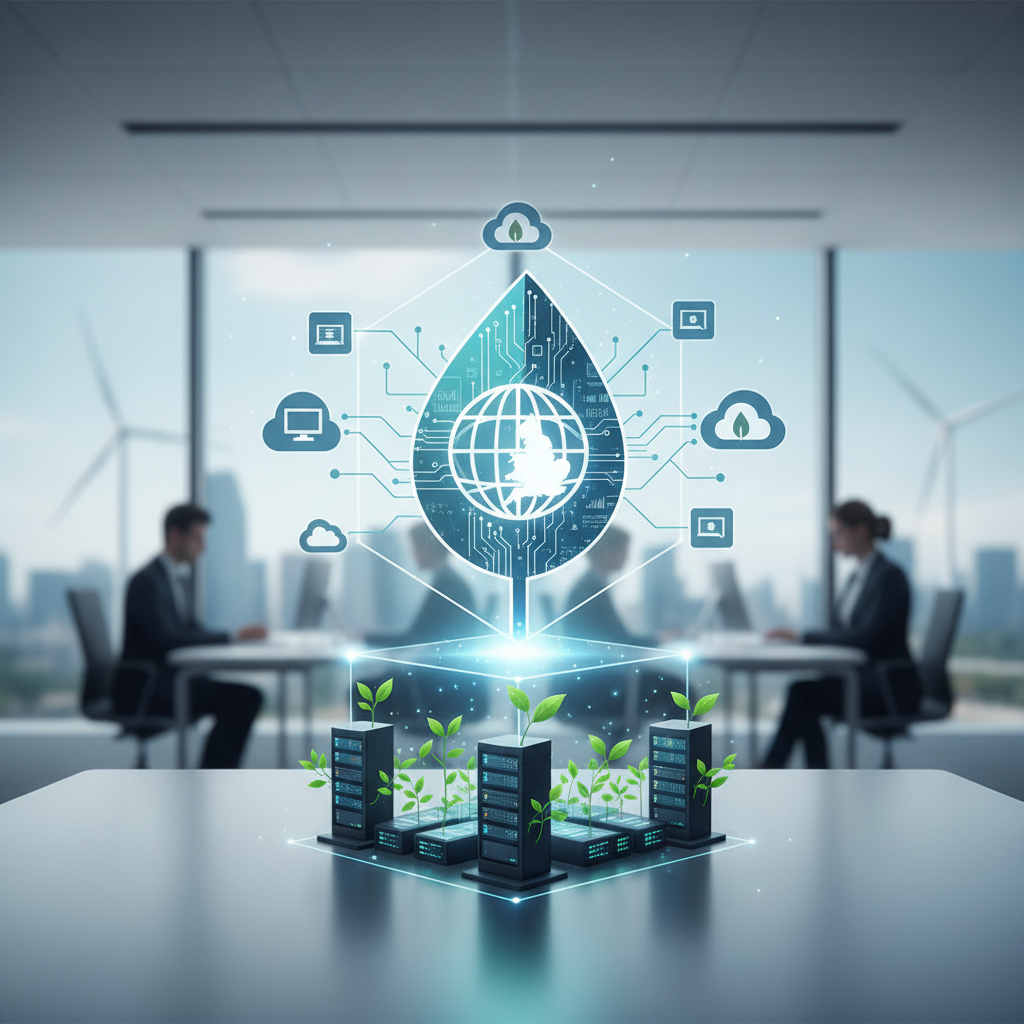
As we move further into a decade defined by environmental responsibility, the conversation surrounding IT infrastructure is shifting. For many years, the primary drivers for upgrading hardware or moving to the cloud were speed, cost, and security. While these remain critical, UK business owners are increasingly being asked a new question by stakeholders, clients, and regulators: "How sustainable is your technology?" At Jibba Jabba, we believe that modernising your infrastructure shouldn't just be about performance; it’s an opportunity to build a leaner, greener, and more efficient organisation.
The Environmental Impact of On-Premise Legacy Hardware
Many SMEs across South Yorkshire and the wider UK are still operating on legacy server rooms—closets filled with ageing hardware that hums away 24/7. These environments are often incredibly inefficient. Older servers consume vast amounts of electricity, and the cooling systems required to keep them from overheating add a significant burden to a building's energy bill. According to some estimates, traditional data centres can waste up to 90% of the energy they pull from the grid.
When we look at infrastructure through a sustainability lens, the objective is to eliminate "zombie servers"—hardware that is powered on but doing very little work. By consolidating these physical assets, businesses can significantly reduce their Scope 2 emissions (indirect emissions from purchased electricity), which is becoming a key reporting requirement for larger supply chains.
Server Virtualisation: Doing More With Less
Before considering a total jump to the cloud, many businesses can make immediate gains through server virtualisation. In a traditional setup, you might have one physical server for your email, another for your database, and a third for your file storage. Most of the time, these servers are only using 10% to 15% of their capacity.
The Logic of Consolidation
Virtualisation allows us to run multiple "virtual" servers on a single piece of high-performance physical hardware. From a business perspective, the benefits are clear:
- Reduced Hardware Costs: You buy fewer physical boxes, which means less capital expenditure.
- Energy Efficiency: Powering one robust server instead of five older ones leads to a direct reduction in energy bills.
- Easier Disaster Recovery: Virtual environments are far easier to back up and restore, maintaining business continuity without the need for redundant physical sites.
The Green Cloud Migration Strategy
For many, the most sustainable path forward is a migration to the public or hybrid cloud. Major providers like Microsoft Azure have made massive investments in renewable energy and highly efficient cooling technologies that an individual SME simply cannot replicate. By moving workloads to the cloud, you are effectively "outsourcing" your carbon footprint to a provider that manages energy at scale.
A well-planned cloud migration can reduce a business's IT-related carbon emissions by as much as 70% to 90% when compared to on-premise solutions.
However, migration isn't a one-click process. To truly gain the benefits, we recommend a "Refactor" or "Re-architect" approach rather than a simple "Lift and Shift." Just moving inefficient software to the cloud doesn't solve the underlying resource consumption issues. We work with our clients to optimise their cloud environments, ensuring they only use the compute power they need, when they need it.
SD-WAN and Distributed Efficiency
Modern infrastructure isn't just about where your data sits; it’s about how it travels. As UK businesses embrace hybrid work, the traditional model of routing all internet traffic through a central head office is becoming obsolete and inefficient. This is where Software-Defined Wide Area Networking (SD-WAN) becomes a sustainability tool.
SD-WAN intelligently manages traffic, choosing the most efficient path for data to travel. By reducing the distance data needs to travel and eliminating the need for energy-hungry hardware at every small branch office, businesses can lower their overall network energy consumption. For companies with multiple locations across the UK, this adds up to a significant operational saving.
Building a Circular IT Economy
Sustainability in IT infrastructure also involves the equipment's lifecycle. When we help a client decommission old hardware, we follow strict WEEE (Waste Electrical and Electronic Equipment) regulations. The goal is no longer just disposal; it is about the circular economy. Parts are recycled, and functional hardware is refurbished, ensuring that the environmental cost of manufacturing is spread over a longer lifespan.
Actionable Steps for SME Owners
If you are looking to green your IT infrastructure, here is where to start:
- Conduct a Technical Audit: Identify older hardware that is nearing its five-year mark. These are the primary candidates for virtualisation or cloud migration.
- Review Your Backup Strategy: Cloud-based backups are often more energy-efficient than maintaining secondary physical sites.
- Implement Power Management: Ensure that non-critical workstations and peripherals are powered down via automated policies when not in use.
- Partner with Experts: Work with an IT partner who understands both the technical and environmental implications of infrastructure changes.
How Jibba Jabba Supports Your Journey
At Jibba Jabba, we don't believe you should have to choose between performance and the planet. Whether you are looking to virtualise your existing on-site servers, migrate fully to Microsoft Azure, or implement a more efficient SD-WAN solution, we provide the technical expertise to make it happen. Based in Doncaster, we understand the local business landscape and the pressures UK SMEs face regarding rising energy costs and evolving ESG (Environmental, Social, and Governance) standards. Our team is here to ensure your IT infrastructure is a driver for growth, not a drain on your resources.
Frequently Asked Questions
Related Articles



Need Expert IT & Cyber Security Support?
Get in touch and our team will help you find the right solution.
Contact Us